What is Cataract Surgery? | Cataract Surgery in Delhi Explained
Cataract surgery is a highly advanced and safe procedure used to restore clear vision by removing the cloudy natural lens of the eye and replacing it with an artificial intraocular lens (IOL).
A cataract causes blurred, dull, or yellowish vision as it blocks light from reaching the retina. With modern cataract surgery in Delhi, patients can regain sharp, bright vision with minimal downtime.
At advanced centres like AK Institute of Ophthalmology (AKIO), cataract procedures are performed using the latest 3D technology, ensuring precision, safety, and faster recovery.
A cataract is a clouding of the natural lens inside your eye. This cloudiness blocks light from reaching the back of your eye, making your vision blurry, dull, or yellowish. During cataract surgery, an ophthalmologist removes this clouded lens. They replace it with a clear, artificial implant called an intraocular lens (IOL).
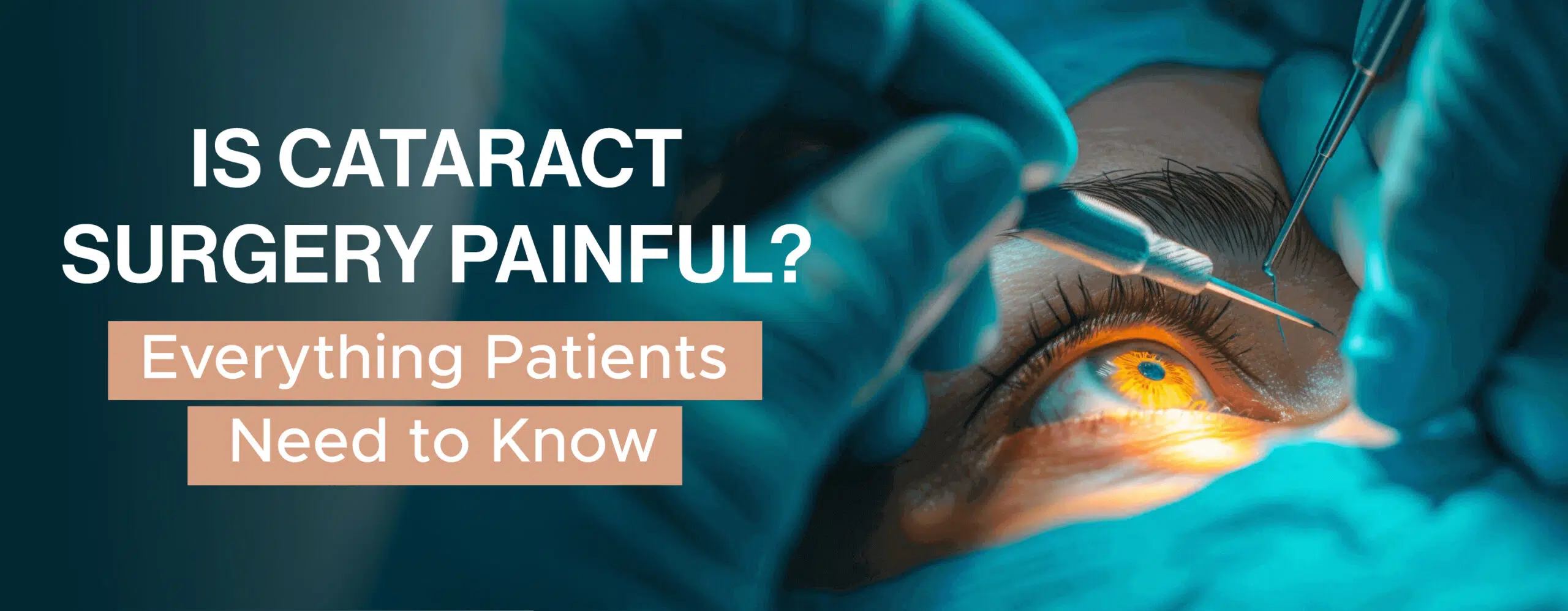
Is cataract surgery painful?
The short answer is no. Your cataract doctor in Delhi will use specialised numbing eye drops before they begin the operation. You might feel mild pressure or see bright lights while the surgeon works, but you will not feel sharp pain.
Who needs cataract surgery? Signs You Should See a Cataract Doctor in Delhi
You should consult a cataract surgeon in Delhi if your vision starts affecting your daily activities.
Common signs you need the procedure include:
Blurred or cloudy vision
Difficulty reading or using your phone
Halos or glare around lights at night
Faded or dull colours
Trouble driving, especially at night
Or your retina specialist might recommend you if they need to see the back of your eye to manage conditions like:
Treatment Procedure, Benefits and Risks of Having Cataract Surgery in Delhi
How should I prepare for cataract surgery?
Your doctor will measure the size and shape of your eye to choose the exact right artificial lens for you. A few days before the procedure, you may need to start using antibiotic eye drops to prevent infection. You will also be instructed to stop eating or drinking a few hours before your scheduled surgery time.
How is cataract surgery done?
1. Numbing Eye Drops are Applied
The team applies topical anaesthesia eye drops so you feel nothing.
2. Make a tiny incision in your cornea
The surgeon uses a microscopic blade or laser to create a small opening at the front of your eye.
3. Break up and remove the Cloudy lens
An ultrasound probe goes through the incision. It breaks the cloudy lens into tiny pieces and suctions them out.
4. Insert New Lens
The clear artificial lens is folded, inserted through the same tiny incision, and gently unfolded into its permanent place.
5. Protect your eyes
The incision is so small that it usually closes on its own without stitches. A protective plastic shield is taped over your eye.
How long does cataract surgery take?
The actual surgical procedure is incredibly fast. Once you are in the operating room, it typically takes just 10 to 20 minutes to complete.
Your depth perception improves and reduces dependency on power glasses.
Improved quality of life.
What are the risks of this procedure?
Cataract surgery is extremely safe, but rare risks include –
Eye infection.
Bleeding inside the eye.
Swelling of the retina.
Retinal detachment (a medical emergency).
Note – Choosing an experienced cataract surgeon significantly reduces these risks.
How long does it take to recover from cataract surgery?
Vision improves within 24 to 48 hours. However, complete internal healing takes about four to 8 weeks.
How do I care for myself at home?
Your recovery depends heavily on following your post-operative instructions.
Use your prescribed eye drops regularly to prevent infection and control inflammation.
Do not rub, press, or poke your eye.
Wear the plastic eye shield while sleeping.
Avoid heavy lifting or bending over.
Why Choose AKIO for Cataract Surgery in Delhi?
If you are looking for the best cataract surgeon in Delhi, AKIO stands among the top eye hospitals for advanced cataract care.
What makes AKIO different?
Led by Padmashri Dr Atul Kumar (Ex-Chief, AIIMS, New Delhi) and Dr Aman Kumar (AIIMS & PGI Gold Medalist)
Advanced 3D Cataract Surgery technology
Expertise in complex and high-risk cataract cases
Topical (needle-free) surgery for maximum comfort
Faster recovery with minimal Downtime
Highly skilled team of doctors
At AKIO, the focus is not just on surgery but also on precision, safety, and the best visual outcomes.
When Should You Consult a Cataract Surgeon in Delhi?
Do not wait for vision to worsen and get your daily life hampered. Book an early consultation, which ensures better outcomes and safer surgery.
If you notice blurred vision, glare, or difficulty in daily tasks, consult a cataract doctor in Delhitoday.
Book Your Cataract Consultation at AKIO
Restore your vision with expert care and cutting-edge technology.
📍 Address: AK Institute of Ophthalmology, Block B 7, Arjun Nagar, Safdarjung Enclave, New Delhi, 110029 🌐www.theakio.com 📞 Contact number: 01146708000
FAQs
What is the cost of cataract surgery in Delhi?
It starts between ₹15,000 and ₹30,000 per eye. If you opt for advanced laser-assisted surgery or premium multifocal lenses, the price generally ranges from ₹50,000 to over ₹1,00,000 per eye.
Is cataract surgery safe?
Yes. It is one of the safest, most frequently performed medical operations globally. Serious complications are extremely rare.
What are the different types of lenses?
There are 4 types of lenses – Monofocal Lenses, Multifocal Lenses, Toric Lenses and Extended Depth of Focus (EDOF)
Can a cataract come back?
No. A cataract cannot grow back because the clouded natural lens is permanently removed. However, the thin capsule holding your new artificial lens can sometimes become cloudy months or years later.